Engineering Director of AI Reliability
I make Qira a reliable and trusted everyday AI companion for millions of users. Over eighteen years, I have designed the architecture of reliable systems—from co-founding startups and delivering multi-cloud software at OX Security and Binah.ai, through global platform operations at Sony and Red Hat, to establishing the global AI reliability organization for Lenovo's Qira ecosystem.

Inbar Rose
Director of AI Reliability, Lenovo Qira
I make Qira a reliable and trusted everyday AI companion for millions of users.
For eighteen years, my career has been defined by a single pursuit: designing the architecture of reliable systems and building the organizations required to sustain them. The trajectory of my work spans the entire spectrum of modern engineering, from the lean urgency of co-founding startups and delivering multi-cloud software from its earliest inception, to orchestrating global platform operations for millions of active users at enterprises such as Sony and Red Hat. Today, I bring this entire background to bear as I establish the global AI reliability organization for Lenovo’s new AI ecosystem, Qira.
My philosophy rests on the principle that reliability cannot merely be patched onto a finished system; instead, we must treat the entire software development lifecycle, from the first draft of a feature specification to its ultimate deployment, as an observable product in its own right. To achieve this, I apply the rigorous discipline of site reliability engineering far beyond the codebase. I connect technical execution with the wider organization, aligning engineering teams with critical partners such as those in legal, procurement, and product. Ultimately, my mandate is to resolve the tension between speed and safety, empowering developers to innovate at their absolute limits while maintaining an unyielding foundation of systemic trust.
EurekaMind Blog
Insights on leadership, productivity, and systems thinking

Latest Articles






Projects
Open source contributions, technical projects, and patents

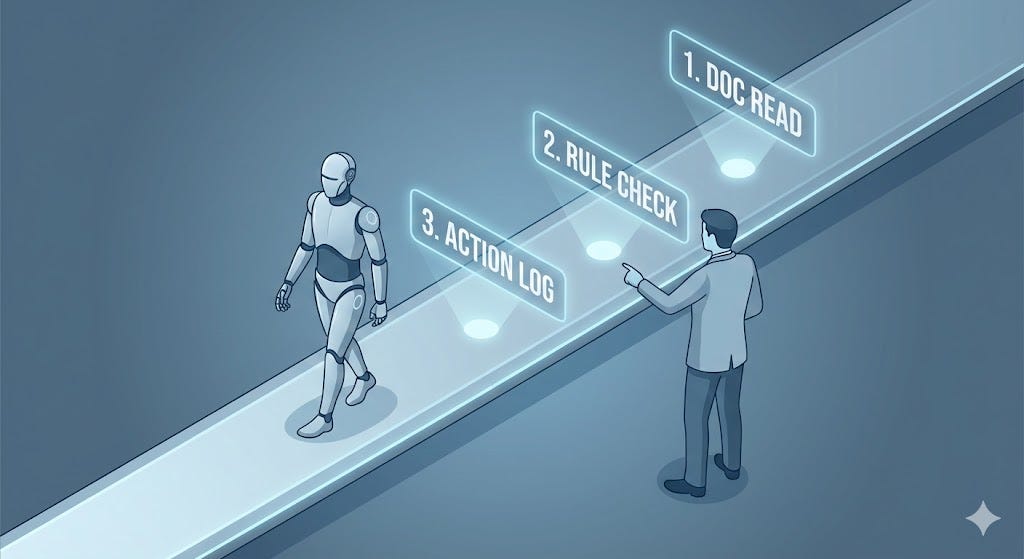
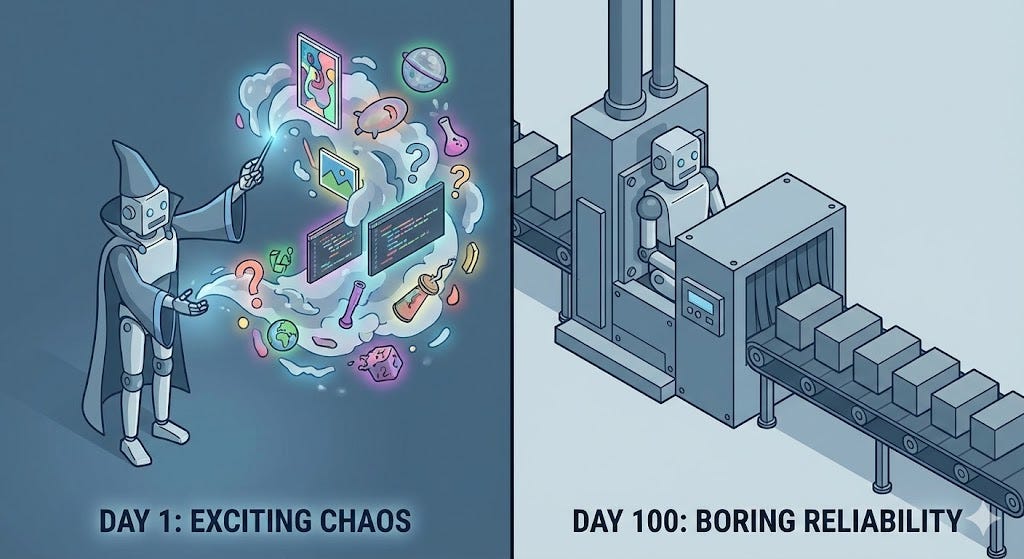
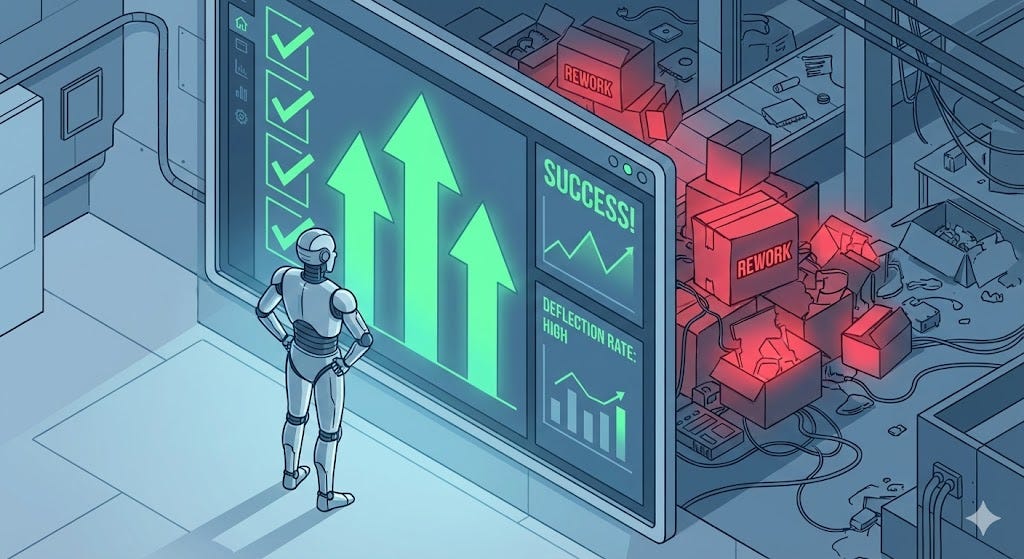
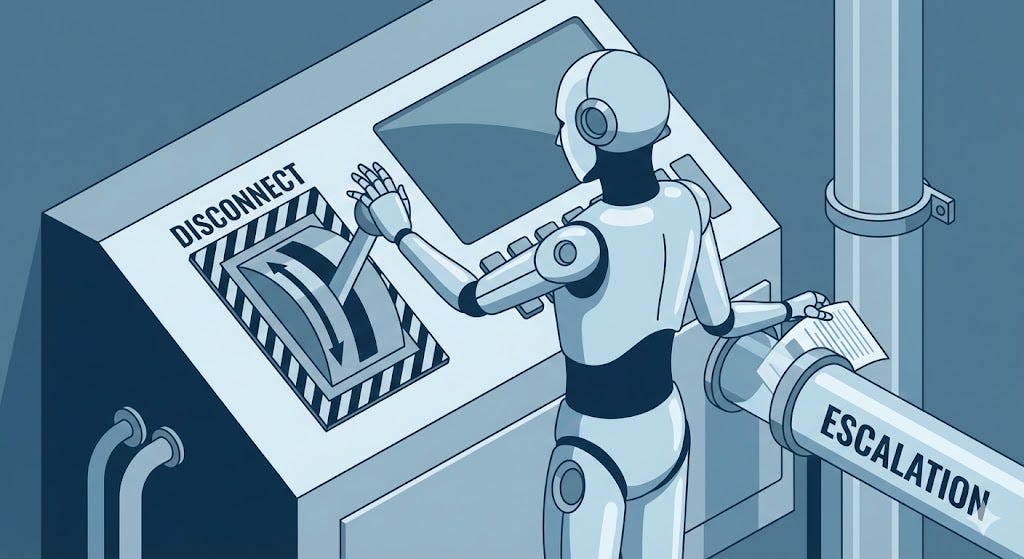
The 7 Habits of Effective Agentic Systems
A design framework that captures seven practical habits that make AI agents safe, useful, and auditable in production. Effective agentic systems are governed components with clearly bounded roles that are embedded into workflows, reducing ambiguity, improving decisions, and providing measurable outcomes.
This framework provides a shared language for engineers, architects, and executive leaders to reason about agentic systems. Rather than optimizing for autonomy, it optimizes for reliability, governance, and system outcomes. The habits are patterns that emerge when agentic systems are designed intentionally and operated at scale.

SPOT Framework
SPOT (Survey, Prioritize, Optimize, Take Action) is a rapid decision-making tool inspired by medical triage. It helps engineers quickly assess, prioritize, and act on tasks, ensuring focus on what matters most in critical situations.
Unlike traditional frameworks like RICE, SPOT is designed for speed, allowing you to make decisions fast without the need for extensive calculations or collaboration. Whether you're handling incidents or managing high-pressure tasks, SPOT helps you take action when every second counts.
Experiments & Portfolio
A showcase of experimental projects, demos, and AI applications.






Patents
Awarded and pending patents in software engineering and artificial intelligence.
Autonomous Video Game Command Execution
Application No. 19/259,275 · Pending
An AI framework allowing non-player characters to autonomously and persistently carry out complex user commands even when outside the immediate view.
Virtual Gaming Session Recovery
Application No. 19/259,216 · Pending
A host-side method to temporarily preserve cloud gaming resources during network drops, allowing players to reconnect without losing session state.
Advisory
Limited capacity
SRE Design
Lifecycle reliability, observability instrumentation, incident governance, and production readiness frameworks—designing SRE models where testing environments and deployment pipelines are actively monitored.
Multi-Cloud Platforms
0-to-1 platform delivery, Kubernetes orchestration, and CI/CD at scale—architecting secure multi-cloud SaaS environments and automated deployment pipelines across hundreds of repositories.
AI Trust & Safety
Responsible AI guardrails, compliance escalation pathways, and agentic workflow observability—operationalizing corporate frameworks for AI safety and high-risk incident response.